
How to follow an aid appeal without spreading misinformation
September’s UN Geneva briefing on Nepal’s floods illustrates how quickly humanitarian information can develop after a disaster.
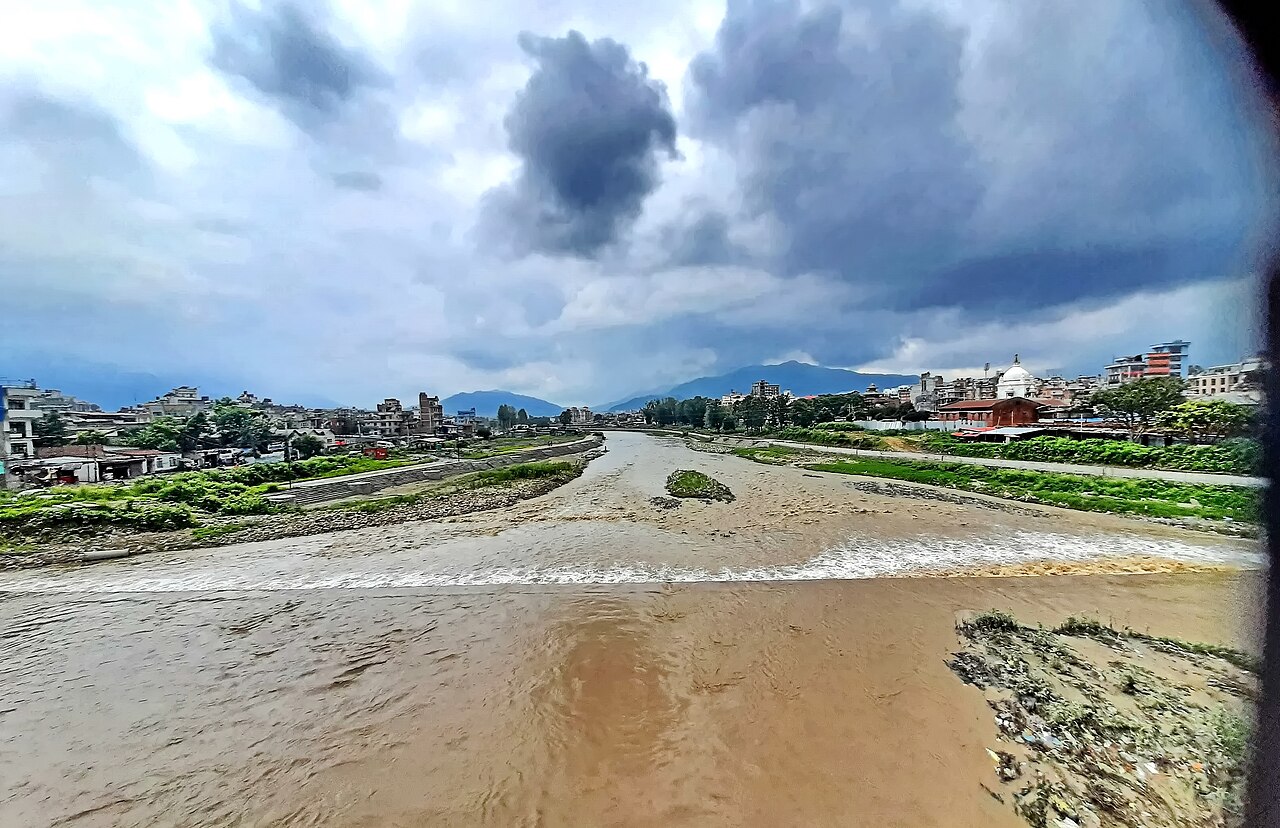
A compelling image can travel faster than its caption or date. Readers sharing an appeal should establish who created it, where it applies and whether it is still active. An old photograph can describe real suffering and still mislead when attached to a different emergency.
Trace the appeal to its source
Open the organization’s official website independently and look for the same campaign. Check payment details there rather than relying on a forwarded image. Be especially cautious when a message pressures you to act before verifying basic information or asks for unusual payment methods.
Share useful context
Include the publication date and direct source link, and correct a post if reliable information changes. Avoid repeating unverified casualty figures for emphasis. Clear, current information can help people find assistance and help donors understand a response without amplifying rumors or exposing private details.
UN Geneva · September 1 briefing ↗
The opening news summary is attributed to this source. The explanation and reader checklist are original editorial analysis. Developments after September 7 are not reflected here.