Nepal floods reveal why disaster response must reach everyone
At the September 1 UN Geneva briefing, UN Women described urgent needs among women and girls following Nepal’s floods.
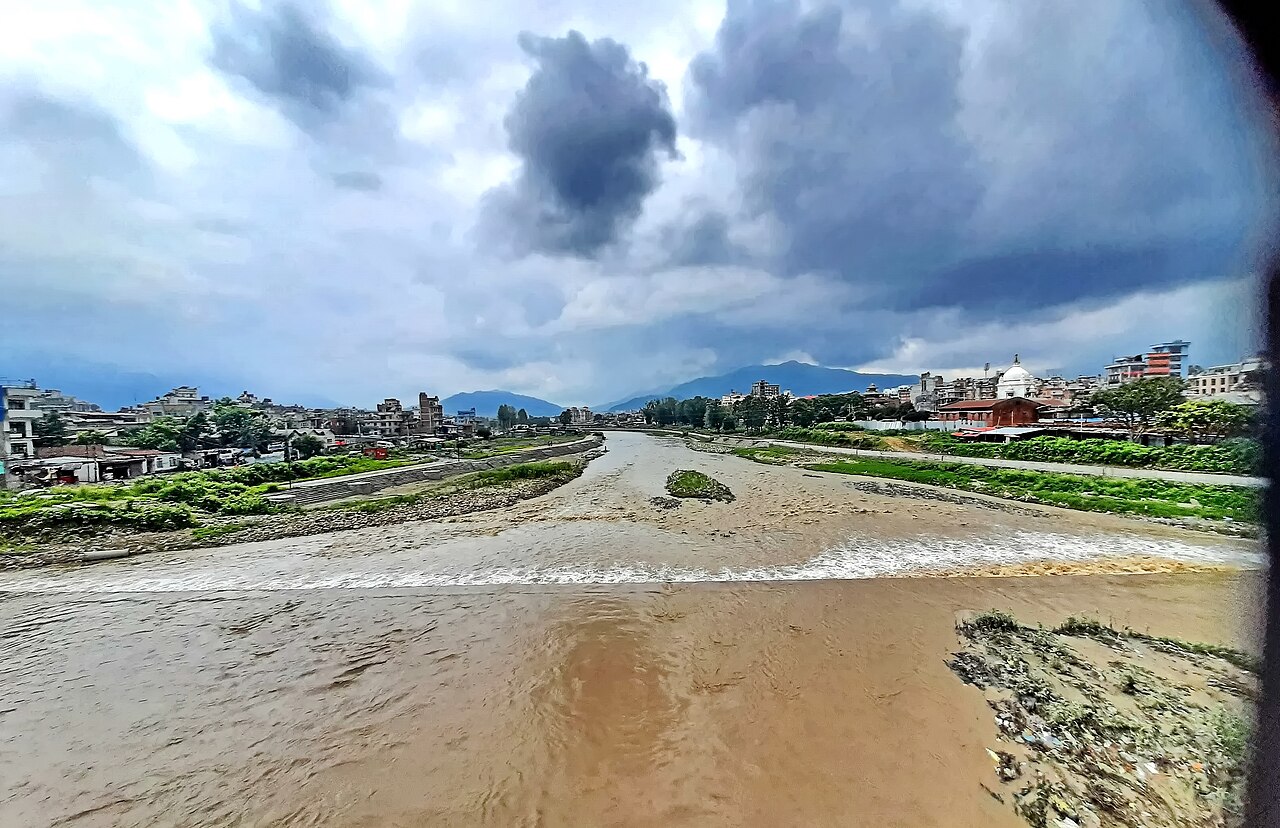
An emergency response is not equally accessible simply because supplies have reached a region. People may face transport barriers, inaccessible information, care responsibilities or concerns about safety. Coverage that reports only a delivery total can miss whether assistance reaches the people it is intended to support.
Questions that improve aid coverage
Ask where distribution takes place, how people learn about it and how those unable to travel can receive help. Look for mechanisms that allow affected people to report problems without losing access. These practical details make a response more understandable than a photograph of supplies alone.
For readers looking to help
Use verified organizational channels and check whether an appeal identifies its current purpose. Do not share identifiable images of affected children or personal documents without a legitimate reason and appropriate permission. Respectful communication supports useful attention without turning someone else’s emergency into a spectacle.
UN Geneva · September 1 briefing ↗
The opening news summary is attributed to this source. The explanation and reader checklist are original editorial analysis. Developments after September 7 are not reflected here.